Are you planning your visit to the African continent and still stuck on where to go? The Pearl of Africa – Uganda and Democratic Republic of Congo have got you covered with its two-amazing destinations – Virunga national park and Rwenzori Mountains national park that favor a combined safari in a few days of about 7 to 10 days. Combining a safari in Virunga National Park with a trek in the Rwenzori Mountains offers a diverse and enriching experience, showcasing the natural beauty and wildlife of both regions.
Virunga is a national park in the Albertine rift valley in the eastern part of Democratic Republic of Congo. With an area coverage of 7,768.93 square kilometers, the park ranges from 680 m in the Semliki river valley to 5,109 m in the Rwenzori mountains. It is known for hosting two active volcanoes – Mount Nyiragongo and Nyamuragira and then the endangered species including the eastern gorillas and the golden monkeys. Virunga national park is also listed as a UNESCO World Heritage Site due to its rich diversity of habitats, exceptional biodiversity and endemism. Also, since 1994, the park has been listed in the List of World Heritage in Danger because of civil unrest and the increase of human presence in the region.
Though commonly visited for mountaineering safaris, Virunga is also known for hosting the endangered mountain gorillas that can be sight during gorilla trekking safari. During the experience, expect to spot other numerous primates like common chimpanzee, red tailed monkeys, blue monkeys, olive baboon, grey cheeked mangabey and others. Also, the perk protects some mammals like African bush elephants, hippos, African buffalo, blue duiker and others.
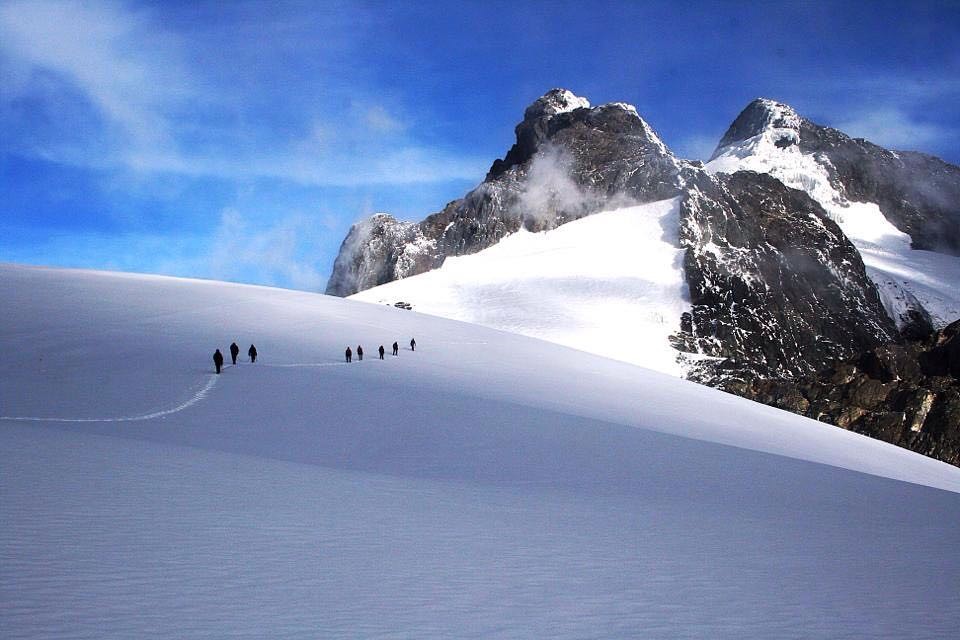
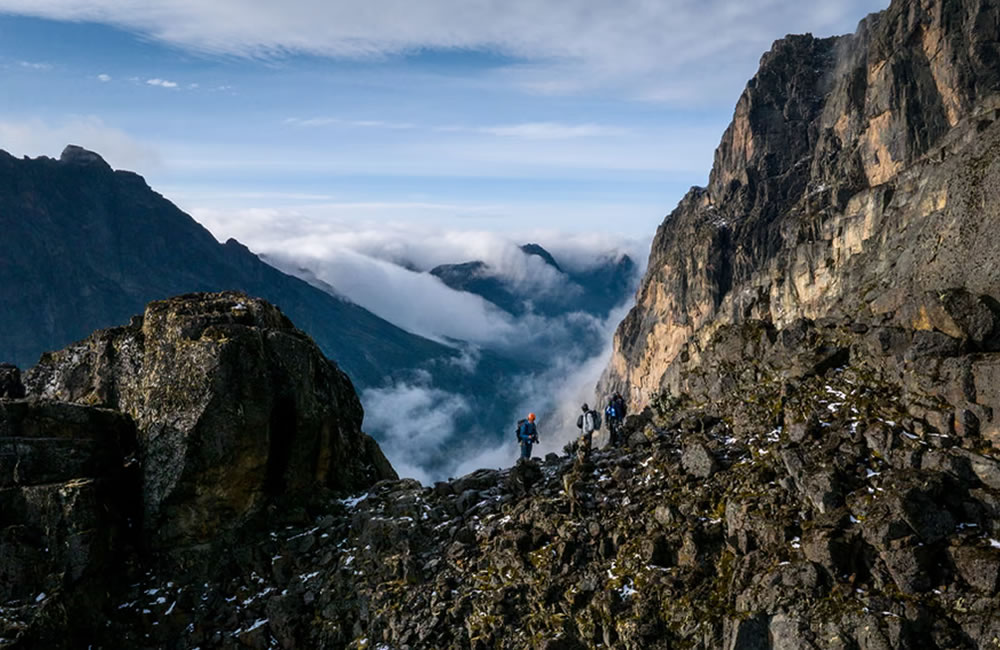
Also known as the Mountains of the Moon, Rwenzori mountains are a range of mountains in the eastern equatorial Africa straddling on the border between Uganda and DR Congo. The mountains are protected by Rwenzori Mountains National Park which stretches on an area of approximately 998 square kilometers in the districts of Bundibugyo, Kabarole, and Kasese. Though commonly visited to mountaineering safaris, the park is also a home to other species like reptiles, insects, small mammals and many others.
When embarking on a combined Virunga (gorilla trekking) and Rwenzori (mountaineering) safaris, it’s essential to be aware of and abide by the rules and regulations in place to protect the environment, wildlife, and ensure the safety of visitors. Here are some general guidelines that apply to both activities:
Virunga Gorilla Trekking experience
- Permit Requirement: Gorilla trekking requires a permit, which must be obtained in advance and allows one visitor per day. It’s important to secure your permit through the appropriate authorities or a reputable tour operator. Gorilla trekking permits cost US$400 per person per day and these can be got from Virunga park offices in Goma town or a registered tour company.
- Health Requirements: Prior to gorilla trekking, you’ll be required to undergo a health screening to ensure you are free from any contagious diseases that could be transmitted to the gorillas. If you are feeling unwell, it’s best to reschedule your trek. Since mountain gorillas share a DNA with humans, they can easily get infected with different disease like flue, cough and others and thus every trekker should go under a health check-up before going encountering the species.
- Group Size and Time with Gorillas: Gorilla groups are visited by a limited number of people each day to minimize stress on the animals. Typically, a trekkers group consists a maximum of 8 visitors who trail through the park rain forests and once you locate assigned gorilla group, you will spend a maximum of one hour observing and photographing them.
- Safety and Respect: Maintain a minimum distance of 7 meters (21 feet) from the gorillas to minimize the risk of disease transmission and to respect their personal space. Follow the instructions of your guide, speak softly, and avoid sudden movements or direct eye contact with the endangered mountain gorillas. Also, you are not allowed to eat or drink during the experience since the species may cause injury to you.
- No Flash Photography: Flash photography is prohibited during gorilla trekking as it may startle or distress the gorillas. Use only natural light or available light for photography.
Rwenzori Hiking experience
- Permits and Guides: Hiking in the Rwenzori Mountains requires permits, and it’s mandatory to be accompanied by an experienced guide. Obtain the necessary permits in advance and arrange for a guide through the national park authorities or a reputable tour operator. The cost of the hiking permit depends on the package of your choice and the route you are willing to use.
- Respect the Environment: The Rwenzori Mountains are a fragile ecosystem. Follow the principle of “Leave No Trace” and ensure that you do not disturb or damage the flora and fauna. Stay on designated trails and avoid littering since there are some animal species in the forests that may end up getting damages.
- Group Size: Hiking groups in the Rwenzori Mountains are usually limited to a certain number of participants. This helps in minimizing the impact on the environment and ensures a better experience for all. Respect the group size limits set by the authorities.
- Altitude and Physical Fitness: The Rwenzori Mountains are known for their high altitude and challenging terrain especially those going for the summit challenge (5,109m). Ensure you are physically fit and acclimatize properly to prevent altitude sickness. Follow the guidance of your guide and communicate any health concerns promptly.
- Equipment and Safety: Carry appropriate gear and equipment suitable for the hike, including sturdy hiking boots, warm clothing, rain gear, and other essentials. It’s important to prioritize safety and be prepared for changing weather conditions
Sample itinerary for the trip
Day 1: Arrival in Kigali, Rwanda for city trip
Day 2: Drive to Virunga National Park.
Day 3: Virunga National Park Safari exploration and gorilla trekking
Day 4: Transfer to Rwenzori Mountains
- Drive to the Rwenzori Mountains, crossing the border into Uganda.
- Spend a day acclimatizing to the altitude and preparing for the trek.
Day 5-11: 7 days Rwenzori Mountains Trek
- Begin the trek in the Rwenzori Mountains, exploring the Margherita Peak trail.
- Trek through the different vegetation zones, including lush rainforests, alpine meadows, and glacial areas.
- Camp at various high-altitude campsites, such as Nyabitaba, John Matte, and Bujuku.
- Summit Margherita Peak, the highest point in the Rwenzori Mountains.
- Descend and transfer back to the hotel
Day 12: Descend back to Kigali
Day 13: Departure flight
- Depart from Kigali or extend your stay to explore more of Rwanda or neighboring countries.
This combined safari and trek offer a unique blend of wildlife encounters and mountain adventures, providing a well-rounded experience of the natural wonders of Virunga National Park and the Rwenzori Mountains.